Easy Ways to Help Research Programs Protect Birds
Photos: Patricia Andersen
Report or Count Birds to Help Vital Research
Research programs in the Chicago area and throughout Illinois invite birders to help make a difference by reporting target species or by volunteering to count birds at specific locations. Check out these easy opportunities to provide valuable data for programs that aim to protect and grow our local bird populations. Here’s an overview of each program with a link to more info and how to report or sign up.
Report Sightings
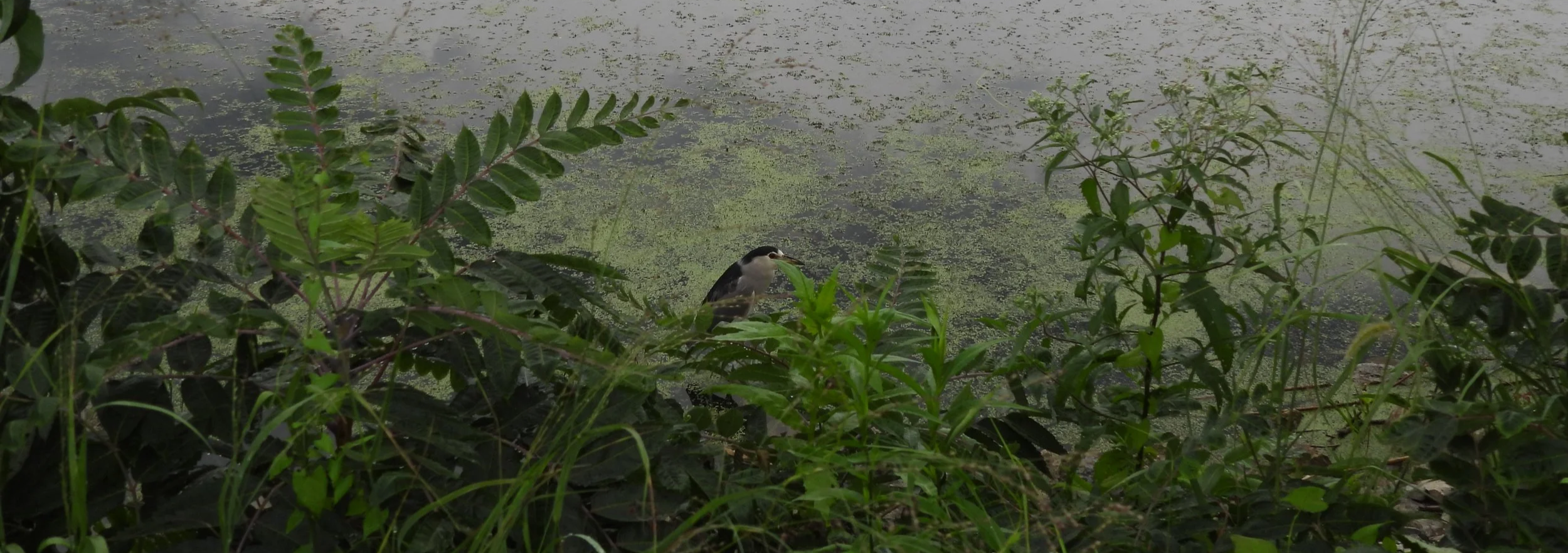
Chicago Black-crowned Night Heron Project
Black-crowned Night Herons were once a common resident of Illinois wetlands but are now a state-endangered species. The largest remaining colony is located at the Lincoln Park Zoo. This concentration poses risks given limited expansion space and the potential impact of a disease outbreak or catastrophic weather. A collaboration of organizations and researchers is working to better understand their foraging and migration habits and testing strategies for establishing new colonies. For more info and the submittal form, go to > BCNH Project
Illinois Department of Natural Resources Wild Turkey Breeding Survey
The Illinois Department of Natural Resources (IDNR) asks volunteers to report wild turkey sightings during June, July, and August. Your observations help IDNR monitor wild turkey reproduction and track population trends across Illinois. Even a single report is useful. Participating is simple. Just fill out a short form reporting each wild turkey sighting you observe. Illinois has collected summer wild turkey observations since 1979. For more info and the submittal form, go to > Wild Turkey Survey
Illinois Peregrine Falcon Program
The Chicago Peregrine Program oversees the Illinois Peregrine Falcon population. The Program is a network of volunteers with a goal of helping reestablish Peregrines back in the wild. They invite everyone to help make a difference by reporting their Peregrine sightings. If you are able to obtain banding information, you'll receive a response letting you know when and where your bird was born. A link to the brief reporting form is toward the bottom of the home page. Go to > Illinois Peregrines
University of Illinois Fluddles Research Project
A Ward Lab of Ornithology/University of Illinois research project on fluddles invites people to contribute eBird checklists to help gather valuable data. The study focuses on what makes a fluddle an efficient stopover site and how valuable fluddles are for migratory shorebirds. It's easy to contribute data. Bird at a fluddle for 5-60 minutes and share an eBird checklist in April-May and July-November with the project’s eBird account. To learn about this Fluddle research and how to participate, go to > The Fluddle Project.
Volunteer to Count
Bird Conservation Network Breeding Bird Survey
Since 1999, the annual surveys at selected preserves & parks across the region have provided vital information for understanding population trends. This detailed data is used by the land managers to identify their properties' most critical preservation and restoration needs. Volunteers visit their pre-selected site twice during June, stand for five minutes at each count point, and submit the data via eBird. Monitors should have experience identifying the expected breeding birds at their site by both sight and sound. To learn more and express your interest, go to > Join the BCN Survey
Chicago Area Nighthawk Project
Common Nighthawks are one of the fastest declining species in North America for reasons not yet fully understood. With the help of volunteers, the Chicago Ornithological Society is looking to answer important questions about what nighthawks need to survive and thrive in the metropolitan area. The project was launched in 2022. Volunteers count for 5 minutes at 4 locations on three evenings in June. You select your own locations & days and then enter eBird checklists. No prior knowledge required. To learn more and sign up, go to > Chicago Area Nighthawk Project.